In addition to the KoMet Days and the Transformation Talks, the Metropolitan Research Competence Field of the Ruhr University Alliance organizes numerous other events, conferences, and workshops, or participates in these events.
June 7 and 8, 2024
Urban Transformation in the Ruhr Region: Challenges and Prospects
60 participants from academia, the professional community, and the general public attended this successful event!
For many decades, the challenges, processes, and outcomes of structural change and the structural policies designed to address it in the Ruhr region have drawn the attention of urban and regional studies and planning practice. In particular, the focus has been on strategies and projects aimed at promoting a knowledge society and economy, as well as initiatives addressing this transformation, such as the IBA Emscherpark (1989–99) or the Ruhr 2010 Capital of Culture.
The latter focused on experimentation, innovation, and rebranding, and provided the impetus for generational projects such as the Emscher River Restoration. Today, the region—whose growth was based on fossil fuels and environmentally harmful industries—is in the midst of a “turning point” and a reorientation toward a socio-ecological transformation. In light of increasing social diversity and polarization, this transformation is linked to the demand for equity in opportunities, access, and participation. In contrast to “structural change,” the concept of transformation implies a comprehensive break with the past that requires a fundamental reorientation in thought and action. Accordingly, new guiding principles and strategies are needed, as well as new governance within changed constellations of actors.
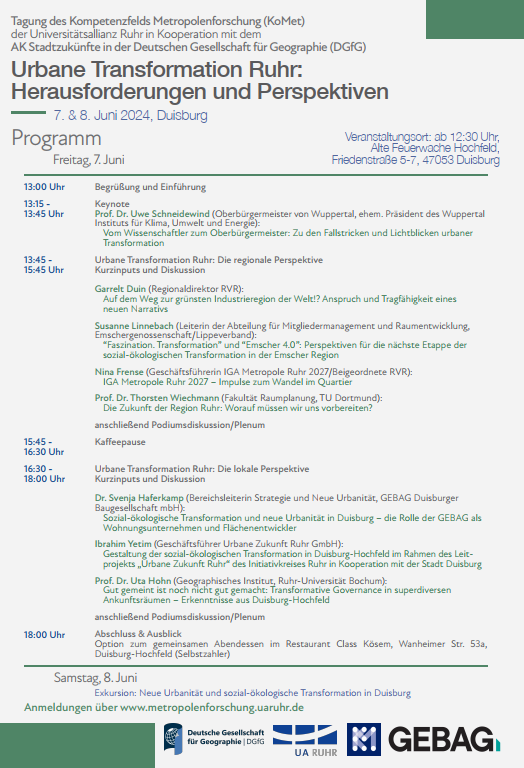
Foto: KoMet
From this Background, the following questions arise in our Event on may 7. June lively were discussed:
Ø What are the Narratives, strategies, concepts and projects are developed to deal with the Transformation of whom?
Ø What are the actors in which alliances and cooperation, responsibility, forms of play within the meaning of Leadership?
Ø Welche Perspektiven eröffnen sich in den verschiedenen Handlungsfeldern und auf unterschiedlichen Maßstabsebenen für die urbane Transformation?Ø Welche Gelingensfaktoren und welche Fallstricke lassen sich – auch aufgrund von Pfadabhängigkeiten – identifizieren?
The program of the meeting on 7. June 2024, you can HERE view:
In the case of the Excursion on 8. June the Participants received in-depth impressions on the GEBAG projects, including: URBAN ZERO Ruhrort, Duisburg, dunes and 6 lakes-Wedau.
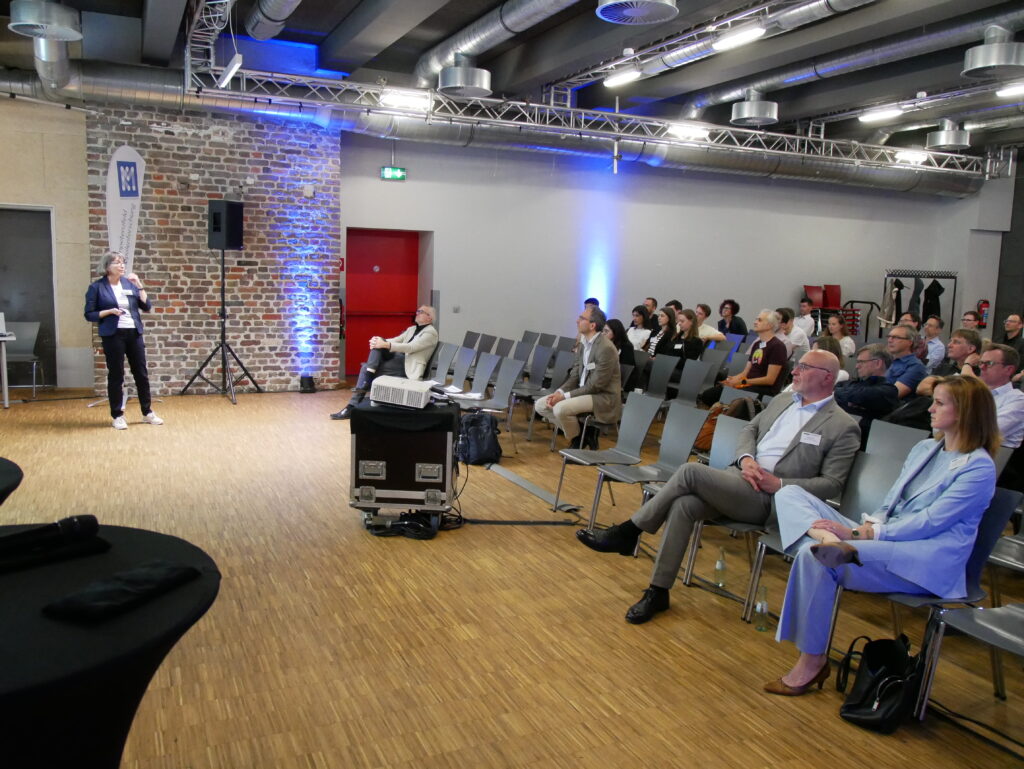
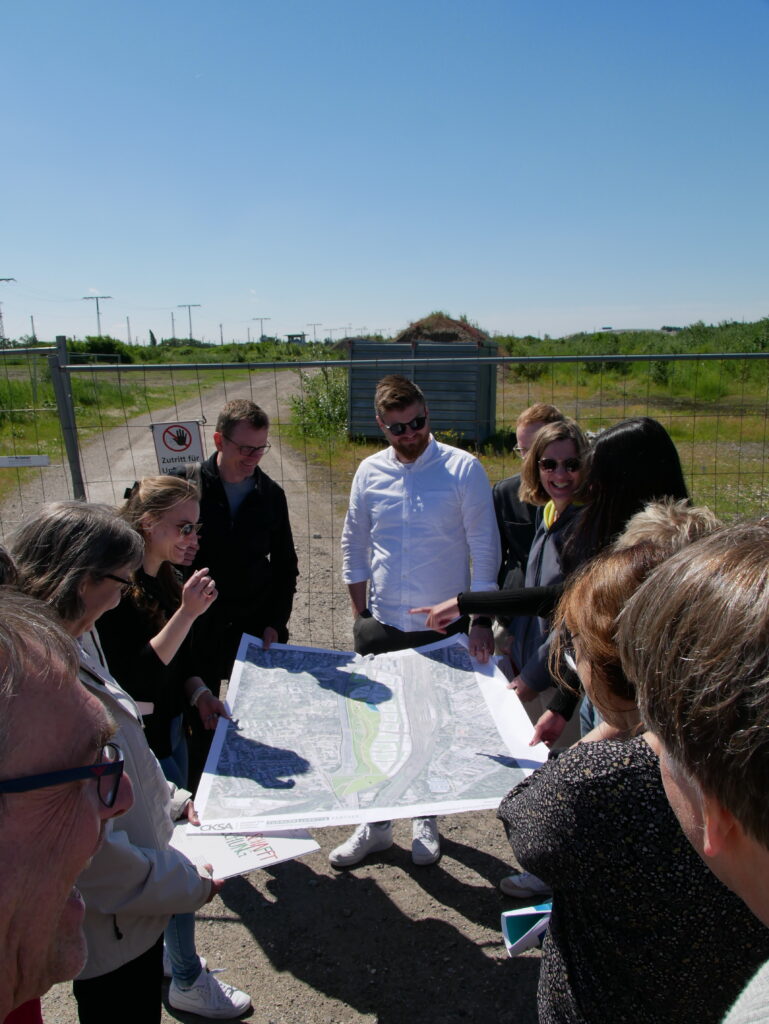
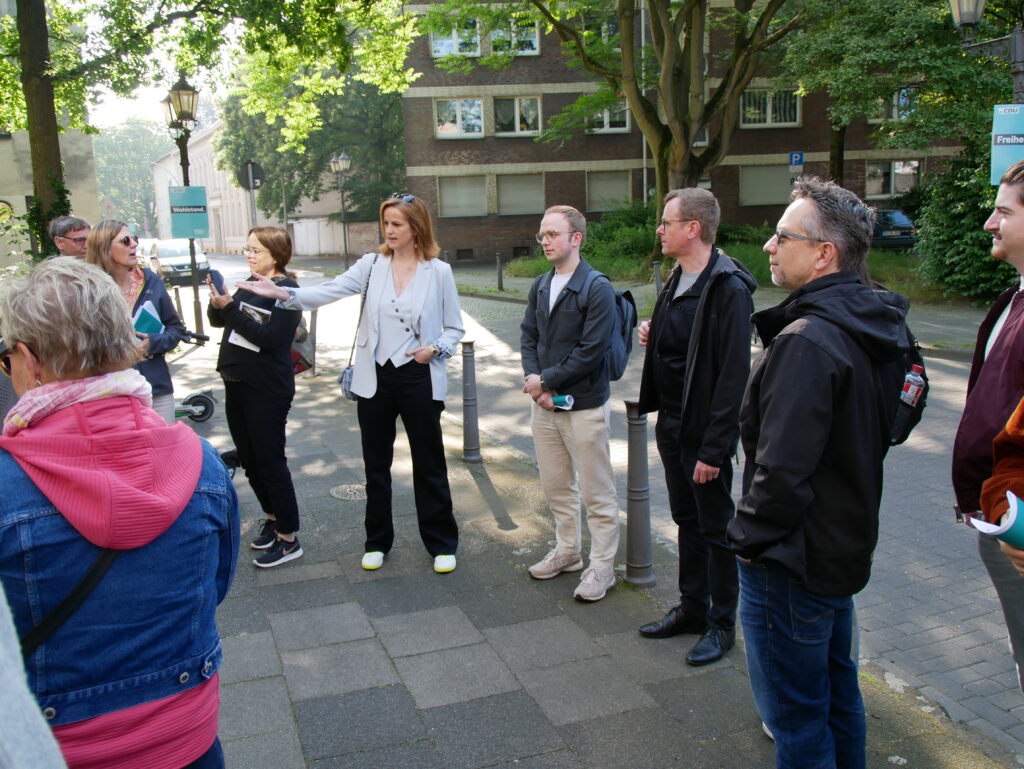
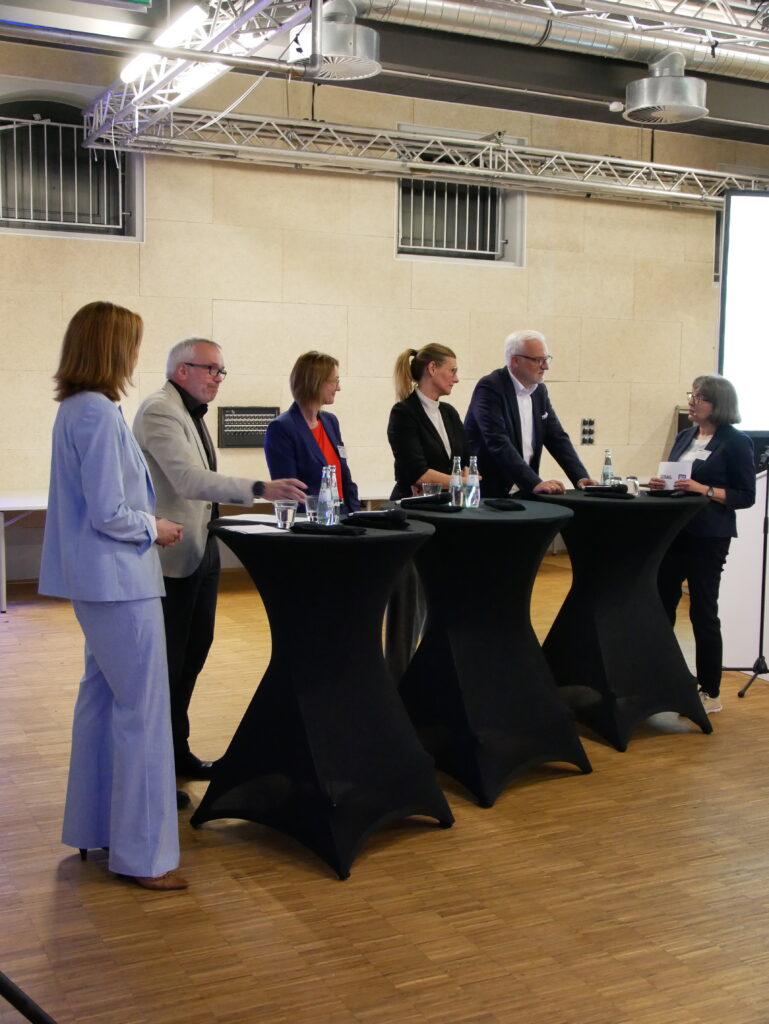
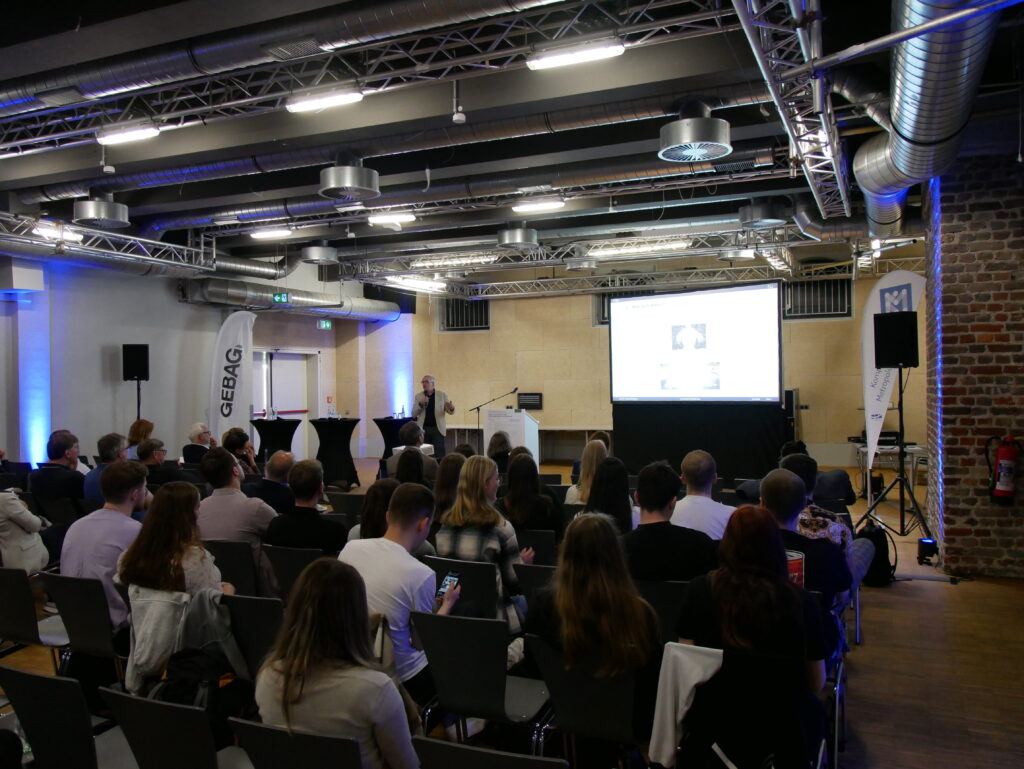
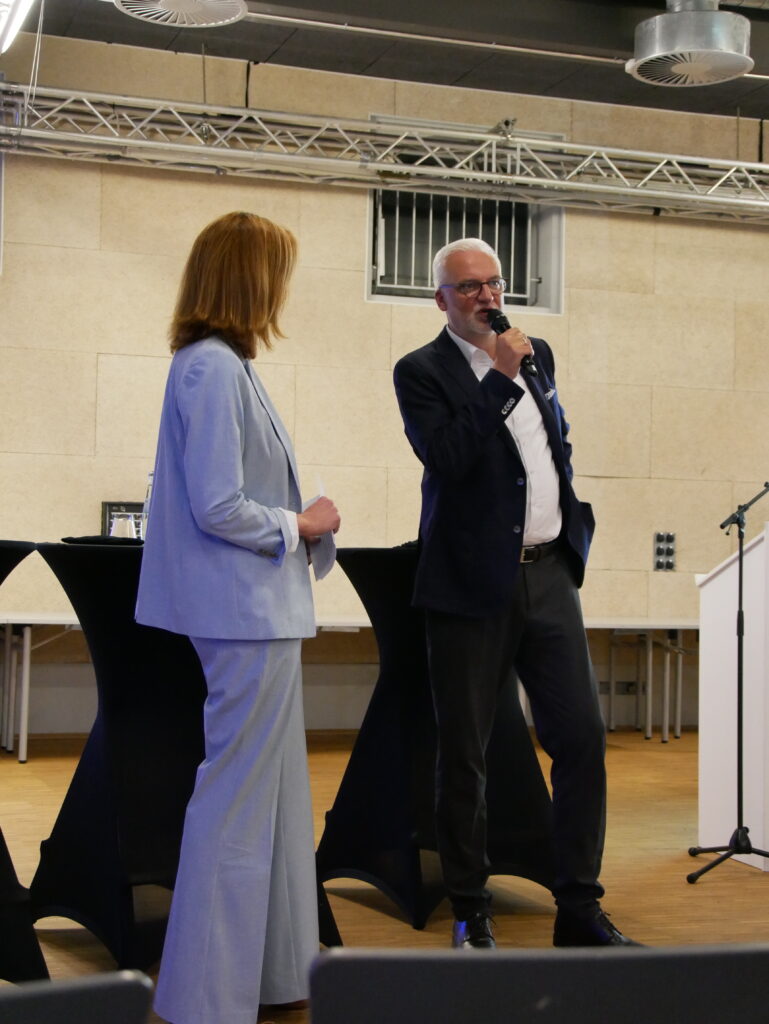
Photos: Alina Grunwald (KoMet)
This event was funded by the GEBAG Duisburg Baugesellschaft mbH. We would like to thank you for the generous support!
May 5, 2023
Transforming Urban Regions: Lessons from Turin and the Ruhr – Workshop in Turin
The one-day event “Transforming urban regions: Lessons from Turin and the Ruhr,” originally scheduled for 2020 but postponed due to the outbreak of the COVID-19 pandemic, took place in Turin on Friday, May 5, 2023.
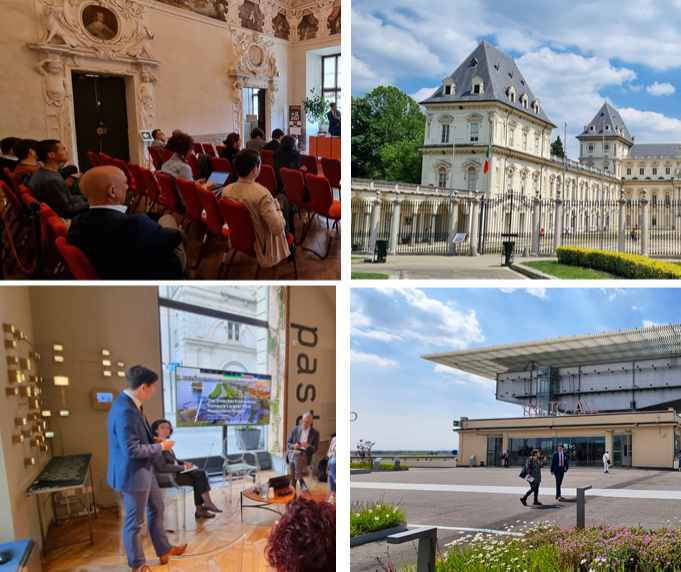
The morning began with a workshop discussion based on the Memorandum of Understanding (MoU) that the Emschergenossenschaft (EG) and the Competence Field for Metropolitan Research (KoMet) signed with the city’s cooperation partners in December 2019. The meeting took place at the Interuniversity Department of Regional and Urban Studies and Planning (DIST) of the Polytechnic University and the University of Turin in the picturesque Castello del Valentino. In addition to representatives from DIST and beneficiaries from the Ruhr region, representatives from the Urban Lab (UL) of the City of Turin and the Department of Cultures, Politics, and Society (CPS) of the University of Turin also participated. Building on the presentations from the first part, in which each partner introduced their respective research focus and expertise as well as their teaching programs and knowledge transfer activities, the second part of the meeting was dedicated to discussing opportunities for further collaboration.
The afternoon program included a bus tour organized by UL to Turin’s most important post-industrial hotspots. The itinerary included a stop at the iconic FIAT factory in Lingotto, which was converted into a multifunctional space in the 1980s, and a stop at the Officine Grandi Riparazioni (OGR), a former industrial site for the maintenance of rail vehicles that was recently transformed into a center for innovation and the arts. The tour ended at the UL headquarters next to Turin City Hall, where Prof. Dr. Uli Paetzel, Chairman of the EG Board, gave a public lecture on the Emscher River restoration. The lively debate that followed was enriched by the participation of key local stakeholders, public officials, and scholars, who—either as panelists or audience members—contributed Turin’s experiences regarding post-industrial restructuring, river restoration, and urban renewal. Particularly noteworthy was the presence of representatives from the City of Turin, the “Metropolitan City of Turin,” and the Compagnia di San Paolo Foundation. The KoMet representatives extended their stay by one more day to take part in a river restoration tour on Saturday, May 6. Organized in collaboration with the local tour operator Metrotrail, the tour included a guided exploration of Turin’s four rivers: the Po, Stura, Dora, and Sangone. Two particular highlights of the excursion were visits to Parco Dora—a former FIAT site that now serves as a mixed-use urban park following the reclamation of a section of the Dora River—and the municipal community gardens currently being developed on abandoned land along the Sangone River in the working-class neighborhood of Mirafiori Sud
HIER you can view the program.
September 3, 2022
International Academic Symposium on Metropolitan Innovation Ecosystems for Sustainable Transformation
As part of the symposium, KoMet invited participants in the Metropolitan Innovation Summit Ruhr 2022 and members of the interested public to Ruhr University Bochum (RUB) on September 3, 2022, to engage in an in-depth discussion of metropolitan innovation ecosystems in the context of the sustainability transition from the perspective of (transformative) research.
You can find the detailed documentation for this event (available in English only):
HERE
MORE
GI junior researchers present their research projects on metropolitan sustainability transformations to international experts
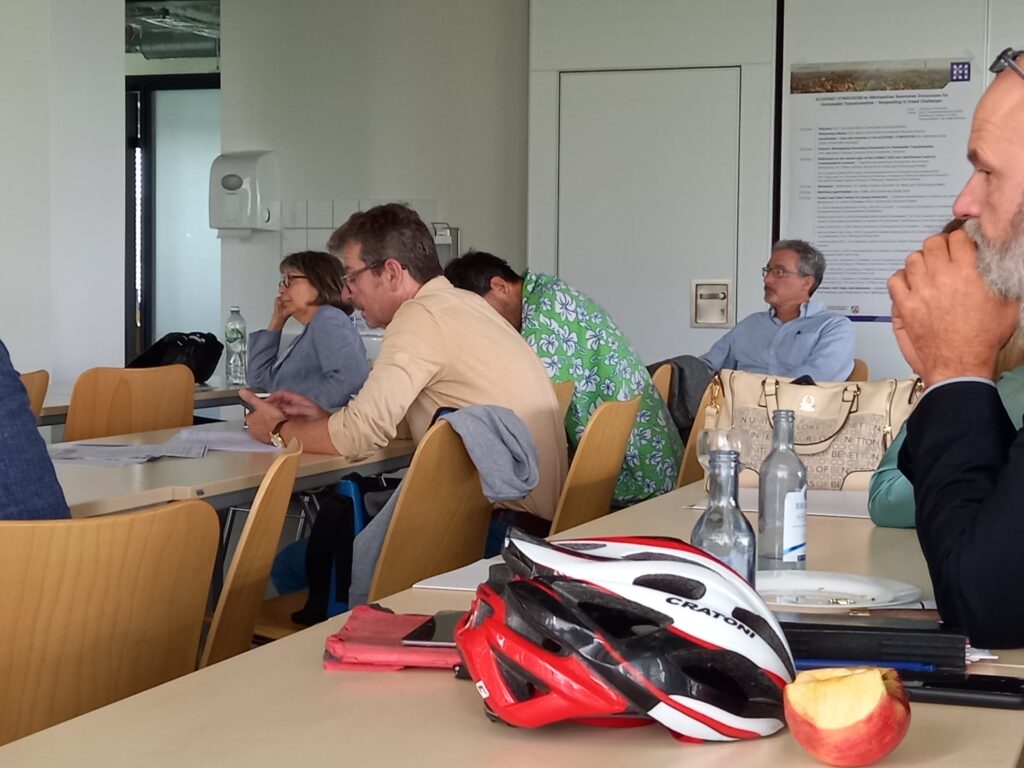
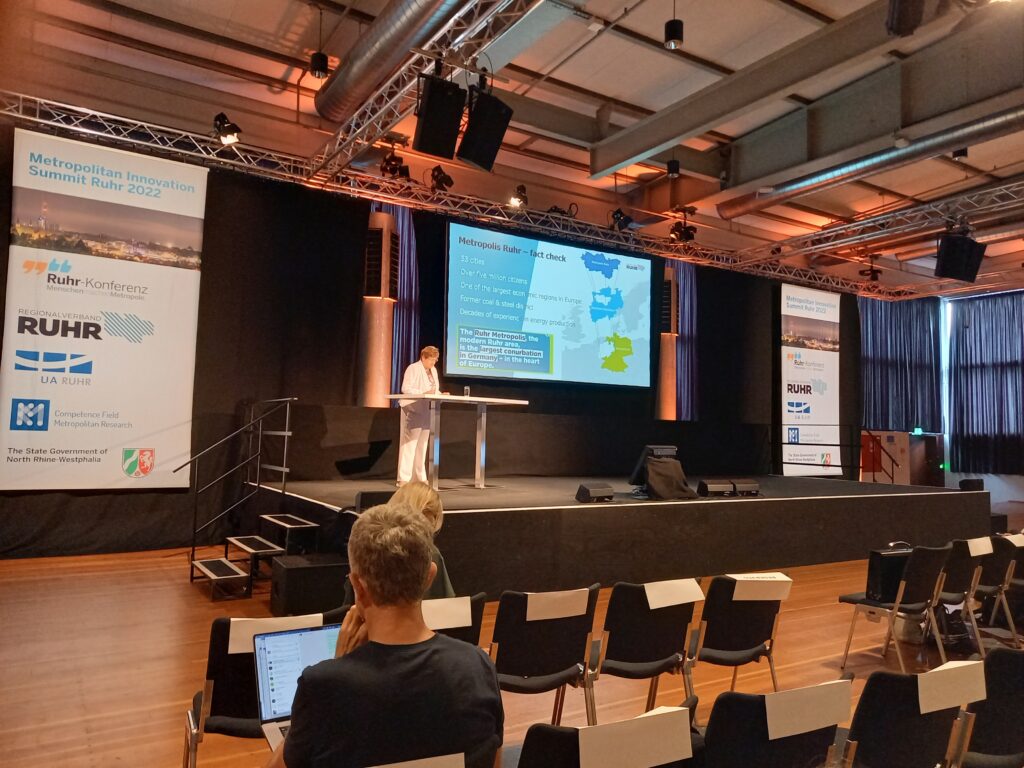
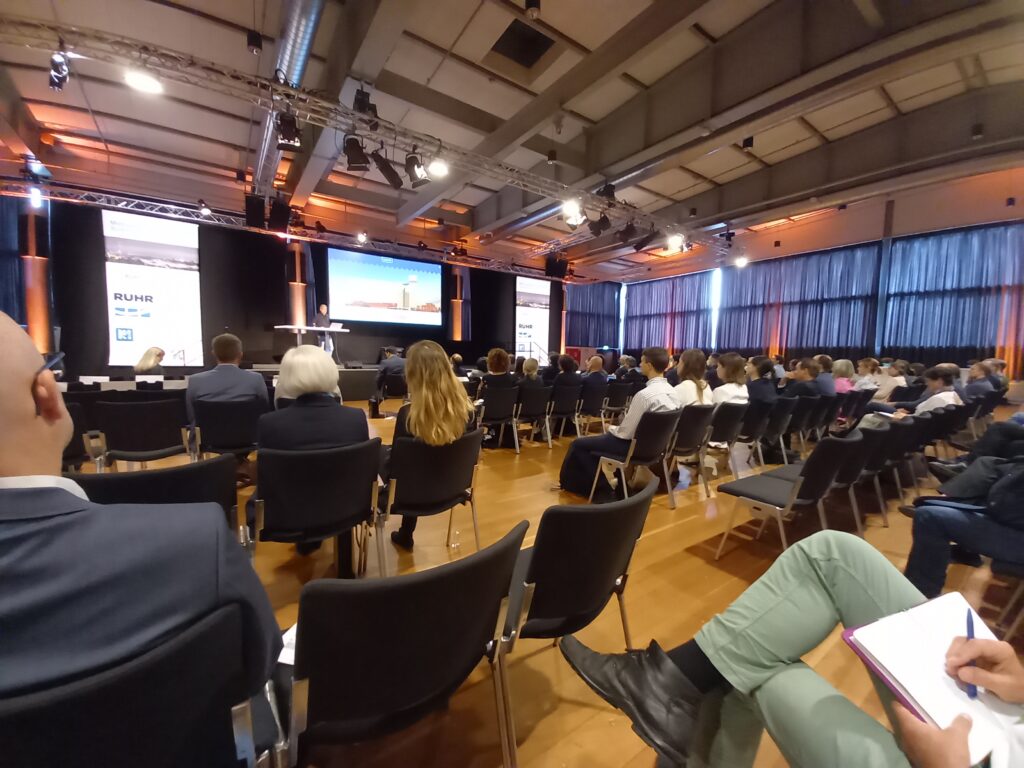
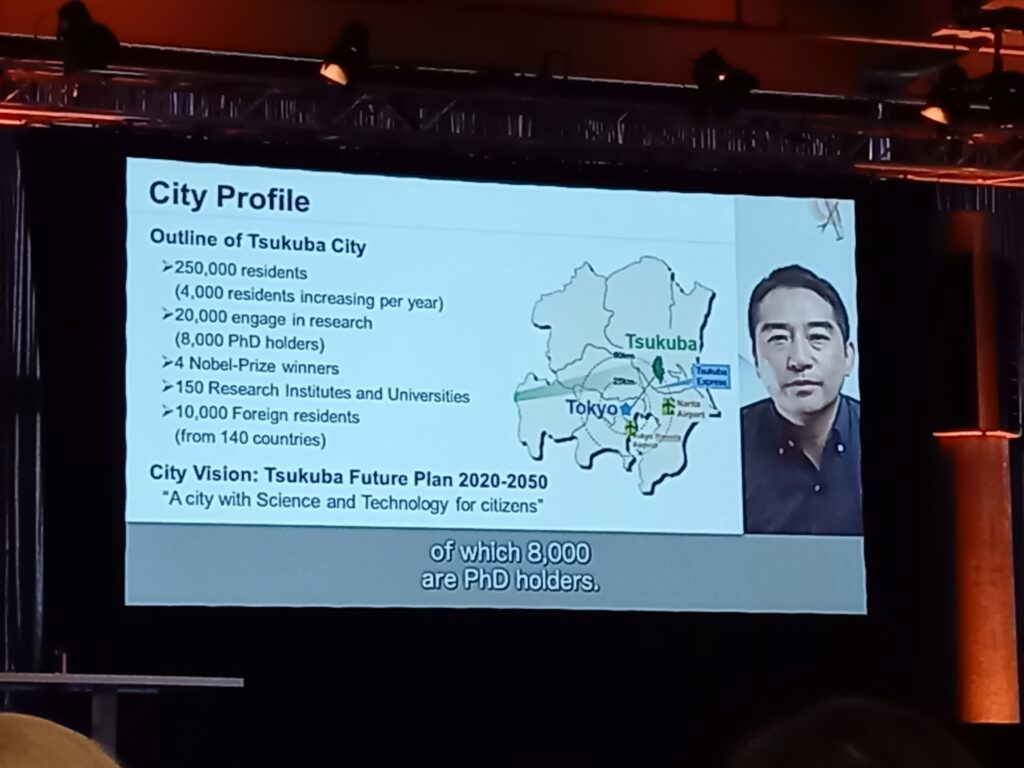
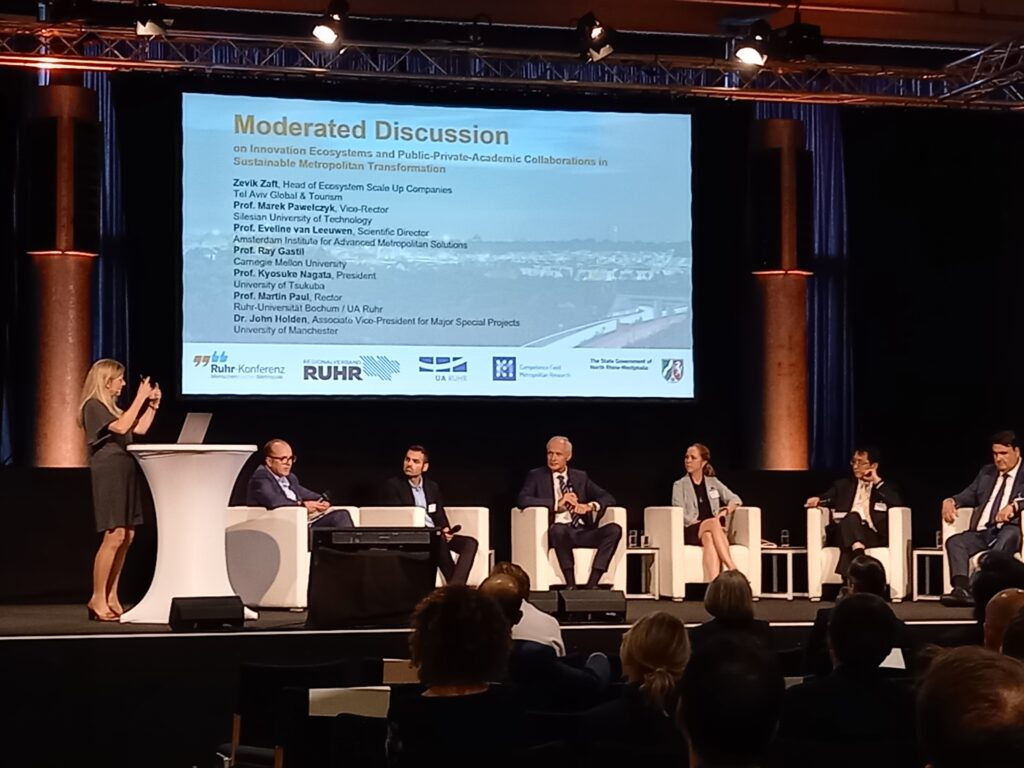
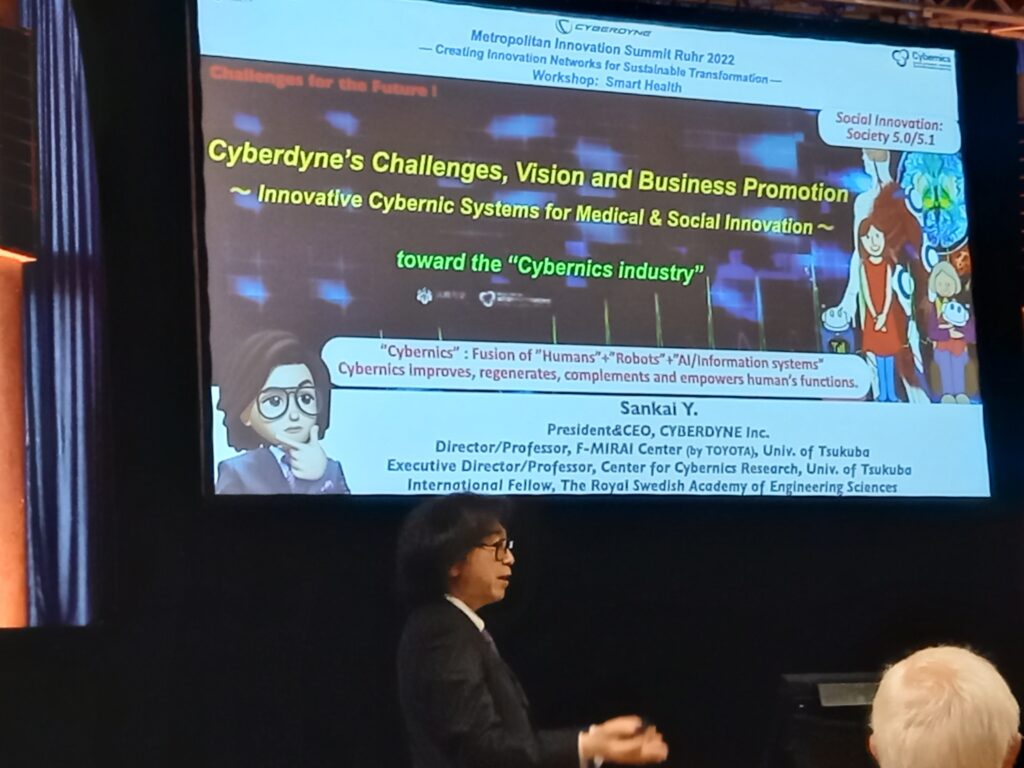
Between August 31 and September 2, 2022, KoMet, in collaboration with the state government of North Rhine-Westphalia and the Ruhr Regional Association (RVR), hosted the Metropolitan Innovation Summit Ruhr 2022. The event brought together stakeholders from the fields of politics, academia, and business in the metropolitan regions of Tsukuba (Japan), Pittsburgh (USA), Tel Aviv (Israel), Upper Silesia (Poland), Greater Manchester (United Kingdom), the Randstad (Netherlands), and the Ruhr Metropolis to present and discuss key aspects of sustainability transformations as well as the innovation strategies of their regions, based on their respective innovation ecosystems.
As part of a (hybrid) academic symposium, KoMet invited participants in the Metropolitan Innovation Summit Ruhr 2022 and members of the interested public to Ruhr University Bochum (RUB) on September 3, 2022, for an in-depth discussion of metropolitan innovation ecosystems in the context of the sustainability transition from the perspective of (transformative) research.
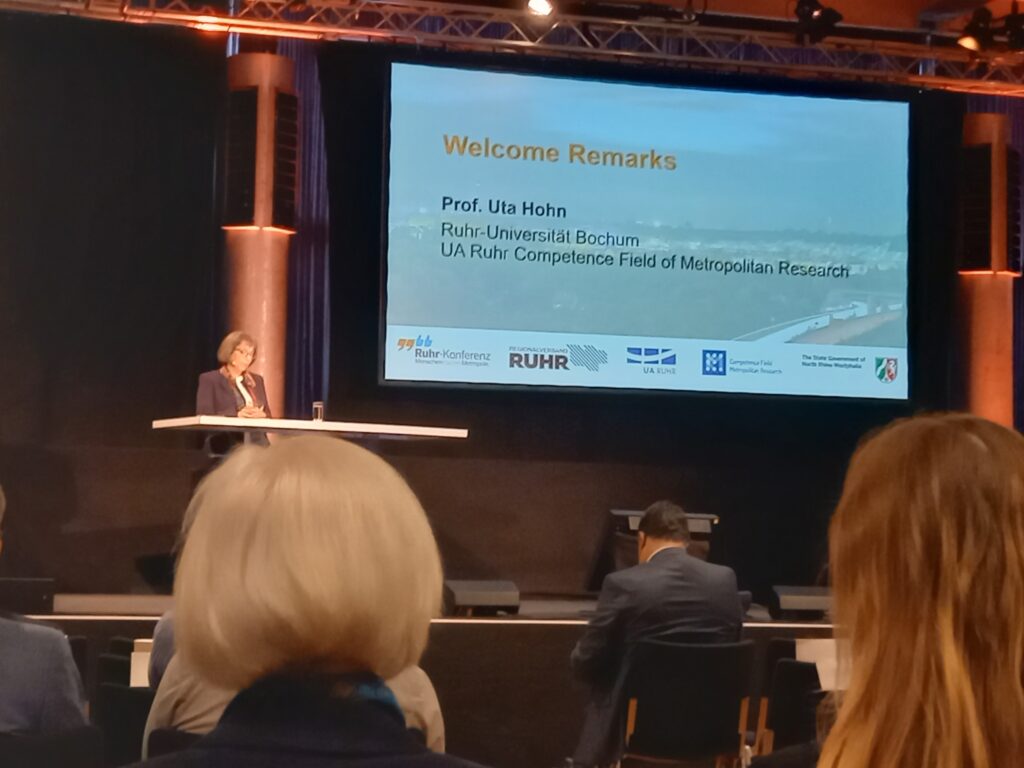
The day began with opening remarks and an introduction by Uta Hohn (KoMet Spokesperson/Urban and Metropolitan Studies Group, RUB), Martin Paul (President of Ruhr University Bochum), and Matthias Kiese (KoMet Research Area Knowledge Metropolises/Dean of the Faculty of Geosciences/Urban and Regional Economics Group). Maryann Feldman (Arizona State University, Phoenix) kicked off the symposium’s program. In her keynote address, “Innovation for Urban Resilience in the Desert,” she focused on the innovation ecosystem of the Phoenix/Arizona desert region in the United States and the challenges there for a transition toward greater sustainability. Following this, Andreas Löschel (Environmental/Resource Economics and Sustainability, RUB), Ray Gastil (Carnegie Mellon University, Pittsburgh, Remaking Cities Institute), and the plenary, moderated by Stefan Gärtner (Institute for Work and Technology), discussed issues of governance and leadership in metropolitan sustainability transformations, taking into account different scales of action.
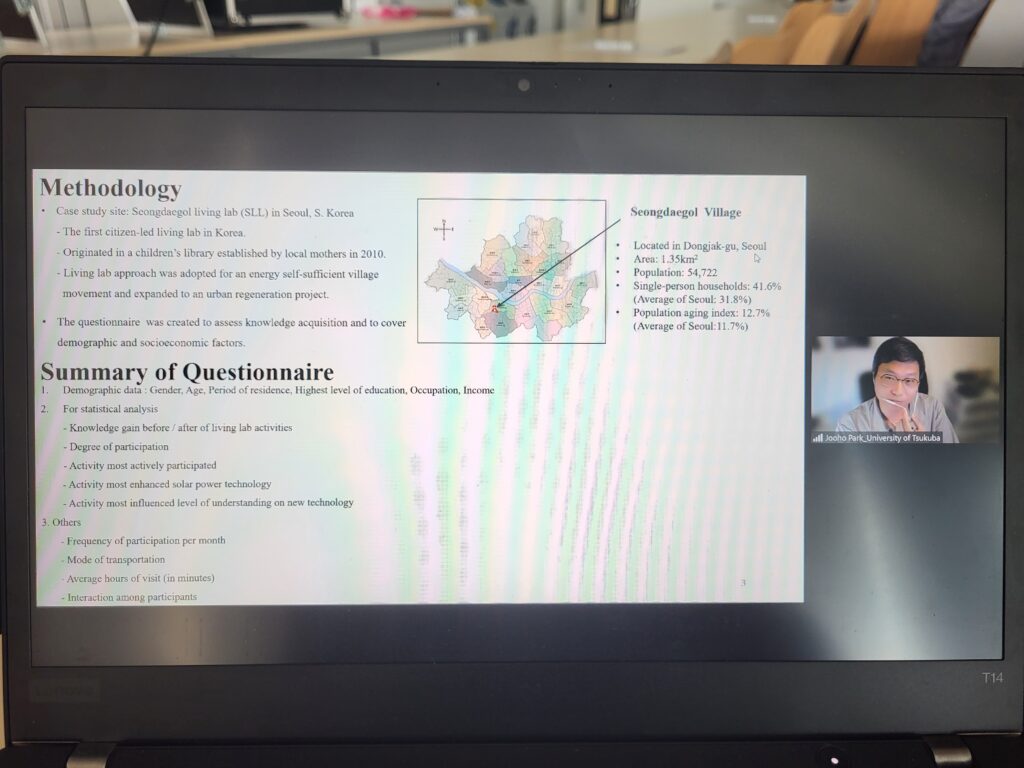
Following this, early-career researchers from the GI and Japan’s University of Tsukuba presented their doctoral research projects in five-minute pitch presentations, moderated by Judith Wiemann (Urban and Regional Economics Group, RUB). The presentations, which had been selected in advance through a call for presentation proposals, covered a wide range of topics within the field of metropolitan sustainability transformations. The early-career researchers used the Academic Symposium as an opportunity to present their research projects to a larger audience, laying the groundwork for their international and interdisciplinary networking.
- Dr. Judith Wiemann (RUB): “Don’t Be a Unicorn!” – Investigating the Integration of Sustainable Entrepreneurship in Entrepreneurial Ecosystems
- Markus Gornik (M.Sc., RUB): Knowledge-Based Spatial Development: The Ruhr Academy Format in the Context of the Regional Innovation Ecosystem for Sustainable Transformation of the Ruhr Metropolis
- Simon Rohde (M.Sc., RUB). Defining Networks in Entrepreneurial Ecosystems – A Spatial Question?
- Harriet Ellwein (Dipl. Geogr, RUB): Cooperation Between Municipalities and Science in Urban Development – an Investigation from a Municipal Perspective
- Roman Fritz (M.Sc., RUB): Governmentality of Innovation in (Regional) Innovation Ecosystems – A Comparative Multi-Case Study
- O’Neil C. Miller (M.Sc., University of Tsukuba): Science City Innovation Eco-Systems: Tracing the Growth and Transformation of Tsukuba Science City
- Jooho Park (M.Sc., University of Tsukuba): Investigation of Living Lab Participants’ Knowledge Change for Inclusive Smart City: The Case Study of Urban Living Lab in Seongdaegol, Seoul, South Korea
In conclusion, Matthias Kiese summarized key findings from the Metropolitan Innovation Summit and the academic symposium and highlighted opportunities for international comparative research. Identifying and explaining differences in the transformative capacity of metropolitan innovation ecosystems, and leveraging these insights for mutual policy learning, is therefore a worthwhile challenge for transformative research. In particular, early-career researchers working on similar topics from different perspectives highlight the great potential for joint publications and the development of new research projects with comparative case study designs.
The Academic Symposium has now provided an initial impetus for this. Following the event, participants will come together to explore possible joint research activities in the field of inter- and transdisciplinary metropolitan research.
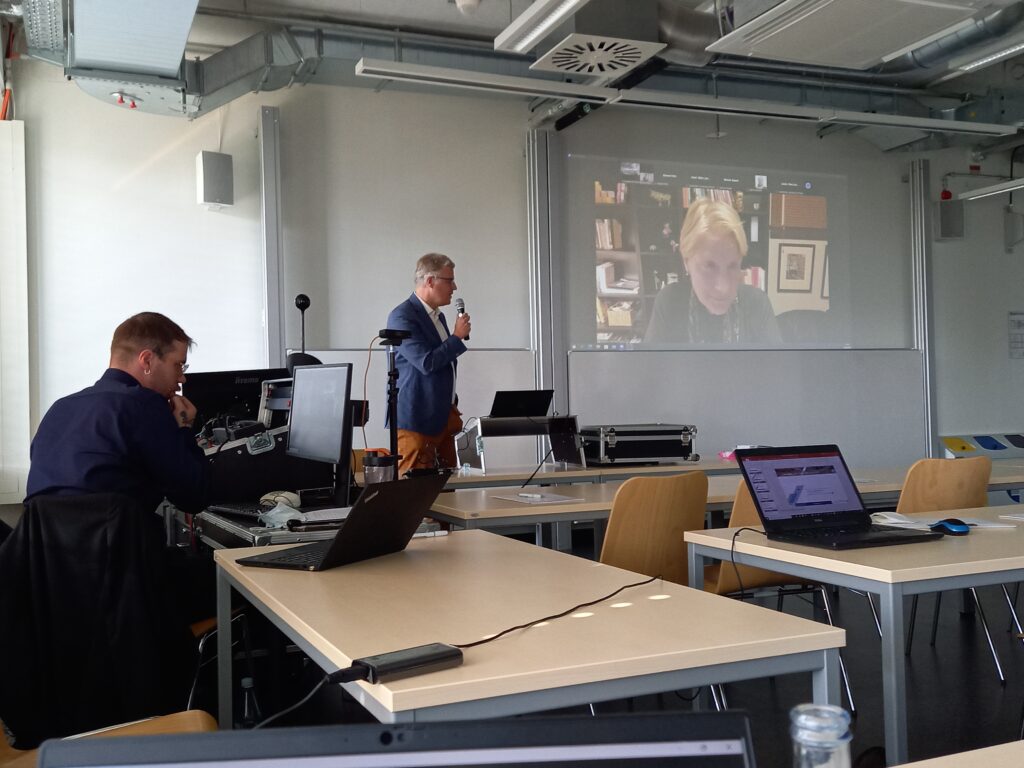
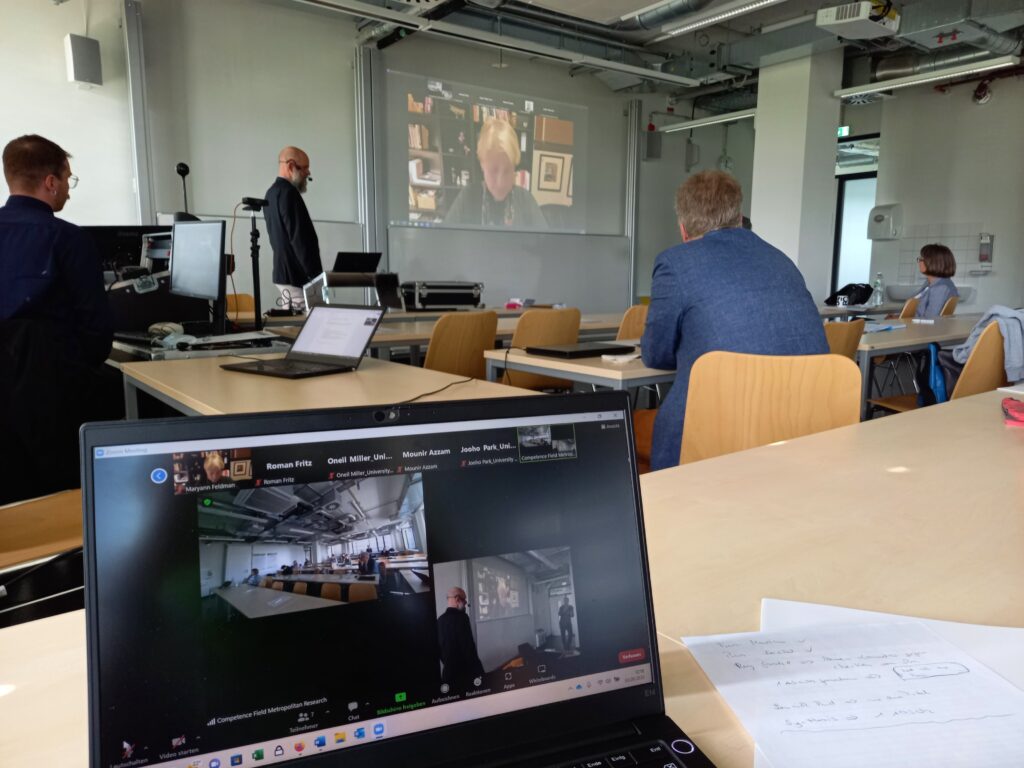
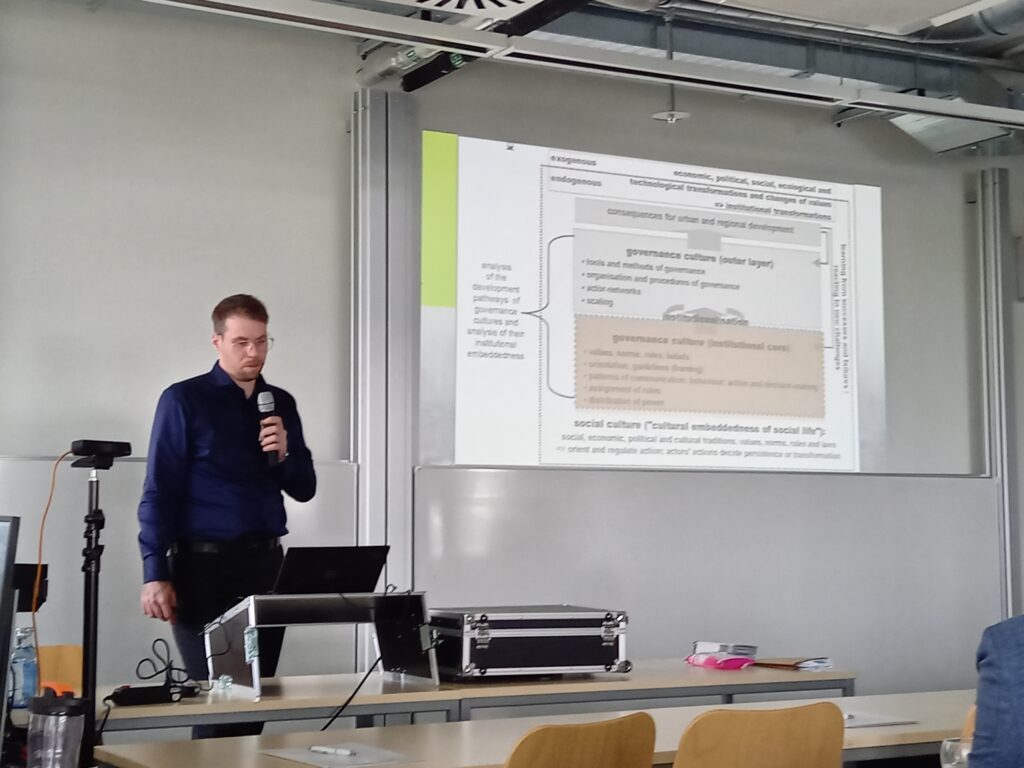
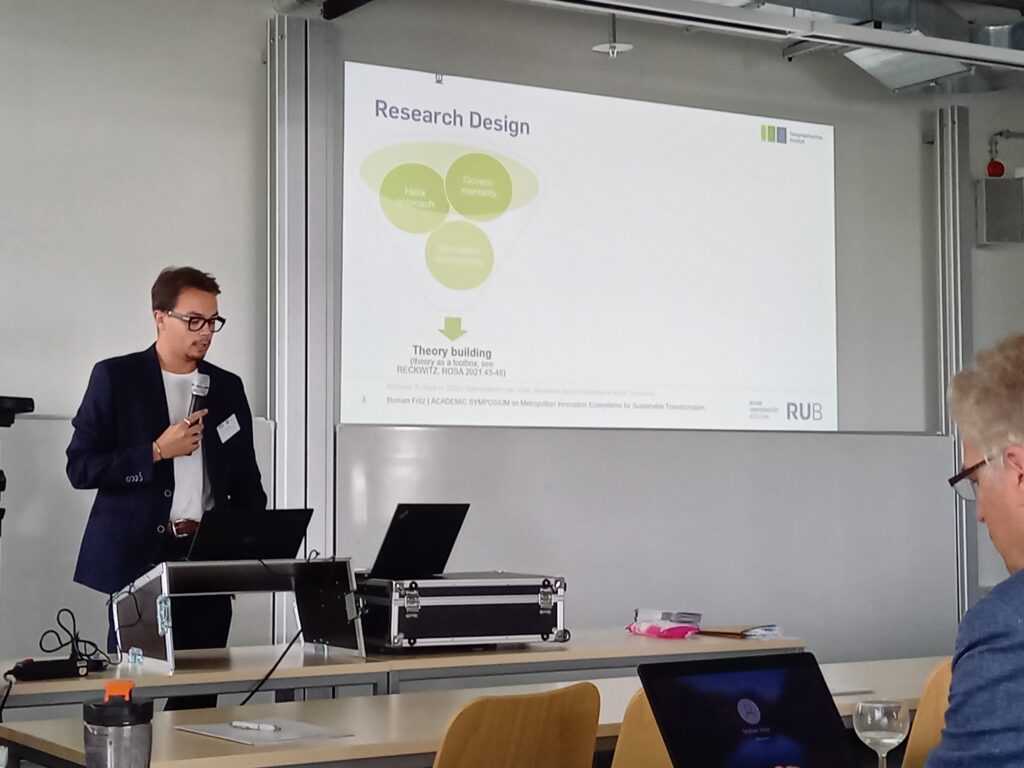
Photos: KoMet
August 31–September 2
Metropolitan Innovation Summit Ruhr 2022
The Ruhr Regional Association, the Competence Field of Metropolitan Research at the Ruhr University Alliance, and the state government of North Rhine-Westphalia hosted the three-day event “Metropolitan Innovation Summit Ruhr 2022.” Delegates from England, the United States, the Netherlands, Poland, Israel, Japan, and Germany attended and, on the third day of the conference, presented solutions for how the transformation of former industrial regions can be successfully achieved.
The first day of the conference was dedicated to networking: the cities of Bochum, Dortmund, and Essen, along with the Ruhr Area Association and other relevant institutions in the Ruhr region, organized individual programs for their respective partner cities. On the second day of the conference, excursions through the Ruhr region were conducted for the invited guests to give them a sense of the diverse innovation potential of the Ruhr Metropolis.
You can download the complete PROGRAM for this event here (including excursions and the Academic Symposium on September 3 at Ruhr University Bochum).
For more information, please visit external websites HERE and/or HERE.
Photos: Roman Fritz und KoMet
March 3, 2022
Emscher Congress in 2022, featuring Uta Hohn as a panelist
On March 3, 2022, the hybrid Emscher Congress took place at the Story Event House in Bottrop. Organized by the Emschergenossenschaft under the leadership of Dr. Stephan Treuke, the event brought together high-profile researchers to discuss the transformation of the Ruhr region and the successful Emscher River restoration project. In addition, international researchers presented the transformation methods of specific metropolitan regions in breakout sessions. KoMet researcher and KoMet spokesperson Prof. Dr. Uta Hohn participated in the panel discussion on the topic “Region in Transition.”
You can find detailed documentation HERE.
May 13, 2022
KoMet spokesperson Thorsten Wiechmann discussed “On Schalke” the importance of soccer for the region’s development
Prof. Dr. Thorsten Wiechmann, a professor in the Department of Spatial Planning at TU Dortmund University, participated in a panel discussion on May 13, 2022, at the conference “Soccer Meets the City – On the Significance and Role of Soccer Clubs in the Emscher Region,” alongside Dirk große Schlarmann, sports journalist and moderator, Olivier Kruschinski of the Schalker Markt Foundation, Peter Knäbel of FC Schalke 04, and Prof. Dr. Uli Paetzel, Chairman of the Board of Emschergenossenschaft and Lippeverband, about the significance of soccer for the development of the Ruhr region. The organizers—Emschergenossenschaft, FC Schalke 04, the Schalker Markt Foundation, and KoMet—agreed: soccer clubs like Schalke 04 or Borussia Dortmund are “integration engines” and “social glue” that unite people in the region across social and urban boundaries.
You can find the press article HERE.
November 1, 2020
#onthemove – city in motion
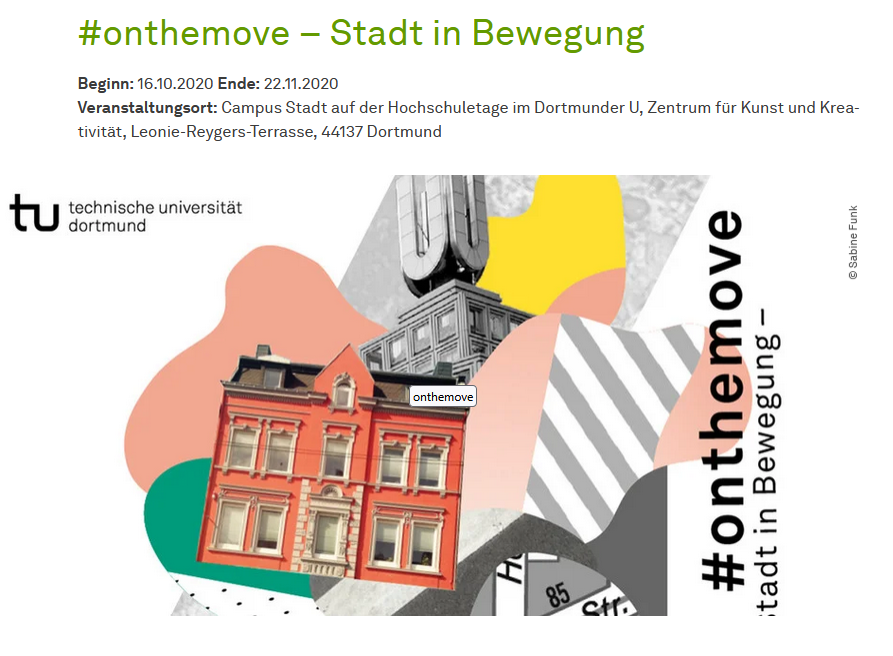
The interdisciplinary exhibition project #onthemove – city in motion presented various perspectives on the city as a multi-coded space. Together with master’s students in education, Sabine Funk, Dr. Sarah Hübscher, Prof. Dr. Ulrike Mietzner, and Elvira Neuendank (TU Dortmund) explored the question of how the city should be understood as a place of social movements and personal experiences.
Screenshot from Webpage
Urban structures and ways of life were explored through the lens of various forms of interaction, boundaries, narratives, and transformations. In addition to presenting urban projects and developments, the exhibition particularly highlighted the intrinsic value of aesthetic forms of expression in the study of the city. In the exhibition space, artistic perspectives were situated in a productive tension with scholarly impulses—thus creating a sense of community that facilitated diverse approaches and questions. In this context, historical references and developments shone through contemporary approaches to the city. For the city as a place of memory is in motion, as fragments of memory, recognizable elements, narratives, or images are constantly evoked with every step—personal, social, or historical images and self-conceptions.
The exhibition’s accompanying program offered both in-person and digital opportunities to move around the exhibition space, through the urban landscape, or in the digital realm, and to engage in conversation. In addition, a publication based on the exhibition is being produced, which will include not only the works on display but also many other ideas and reflections.
The exhibition took place from October 16 to November 22, 2020, on the University Floor at the Dortmunder U (City Campus).
You can find the exhibition program HERE.
July 1, 2019
Emscher quarters in Transition – Conference with the Emschergenossenschaft
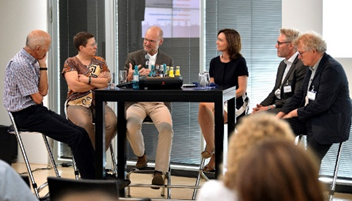
Nach bereits zwei erfolgreichen Tagungen zu den Themen Gesundheit und Governance widmeten sich das KoMet und die Emschergenossenschaft am 01.07.2019 im Lensing-Carrée Conference Center (LCC) in Dortmund der Entwicklung von Quartieren im Emscher-Gebiet. Unter dem Titel „Zwischen Anerkennung und Ausgrenzung – Emscher-Quartiere im Wandel“ diskutierten über 100 Teilnehmerinnen und Teilnehmer aktuelle soziale und politische Herausforderungen in der Emscher-Region mit Akteuren aus Wissenschaft und Praxis. Neben einem Key Note Vortrag von Prof. Dr. Wilhelm Heitmeyer (Universität Bielefeld) zum Thema sozialräumlichen Integrations- und Desintegrationsdynamiken, widmeten sich u.a. Prof. Dr. Jörg-Peter Schräpler (RUB), Prof. Dr. Susanne Frank (TU DO) und Dr. Heike Hanhörster (ILS) in ihren jeweiligen Beiträgen aktuellen empirischen Befunden, der Debatte um Gentrifizierung und den Ankunftsquartieren in der Region. Ergänzt wurden die wissenschaftlichen Beiträge durch vortragsbezogene Kommentare aus der Praxis sowie durch einen Input-Vortrag von Michael von der Mühlen (NRW Staatssekretär a.D.). In der abschließenden Podiumsdiskussion wurden konkrete Fragen der Praxis debattiert.
Photo: KoMet
Click here for the full PRESS RELEASE.
October 29, 2018
New Governance Models for the Region – Conference with the Emschergenossenschaft
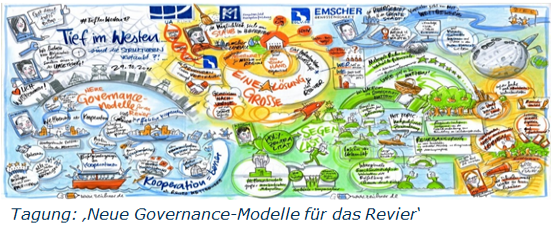
What are the requirements for a forward-looking governance structure for metropolitan areas, and what does this mean for the future development of the Ruhr Metropolis? This question was the focus of the conference organized by the Metropolitan Research Competence Area and the Emschergenossenschaft, which took place on October 29, 2018, under the title: “Deep in the West … Are the Structures Outdated? New Governance Models for the Ruhr Region.” Over 140 participants took advantage of the opportunity to exchange ideas with experts from academia and the professional field at the event center of Ruhr University Bochum. Following keynote presentations by Prof. Dr. Nicolai Dose (University of Duisburg-Essen) and Prof. Dr. Uli Paetzel (Chairman of the Board of the Emschergenossenschaft), presentations were given on the thematic blocks “Work – Housing – Life,” “Knowledge Region,” and “Mobility.” Renowned scholars in these fields—Prof. Dr. Stefan Siedentop (ILS), Prof. Dr. Jörg Bogumil (RUB), and Prof. Dr. Alain Thierstein (TU Munich)—were invited to speak. Practical contributions from Stuttgart and Frankfurt, among others, also provided insights into other metropolitan regions.
August 31, 2018
Comet is participating in the summer campus 2018 healthy communities
Several KoMet researchers from the Urban Health research field contributed to the three-day Summer Campus in late August 2018 through presentations, workshops, and field trips. The Summer Campus was co-organized by the North Rhine-Westphalia State Center for Health and universities in Bochum. The event aimed to evaluate existing findings from metropolitan research in the field of urban health and adapt them for use in rural areas. To this end, perspectives from local politics were also discussed.
July 6 and 7, 2018
Workshop on Perspectives in Metropolitan Research’ in the RUB Japan Science Days
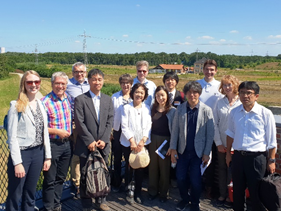
On July 6, 2018, KoMet organized a workshop at the RUB Japan Science Days 2018 on the theme “Society 5.0 – Opportunities and Risks of Digital Transformation and the Responsibility of Universities.” KoMet researchers discussed perspectives on metropolitan research with invited Japanese scholars. On July 7, 2018, the guests also accepted an invitation from the Emschergenossenschaft to take an excursion through the Emscherland region. At Hof Emscherland in Castrop-Rauxel, insights into water infrastructure projects such as the Emscher River Restoration Project were subsequently discussed from both German and Japanese perspectives.
Photo: KoMet
You can find descriptions of Japan Science Days 2018 at RUB HERE.
December 7, 2017
Health Benefits of the Emscher-Umbau Intergenerational Project – Symposium with the Emschergenossenschaft
On December 7, 2017, the first symposium of the KoMet research field Urban Health took place at the ChorForum Essen in cooperation with the Emschergenossenschaft. It was organized by KoMet researchers Prof. Dr. Sabine Baumgart (TU DO), Prof. Dr. Susanne Moebus (UDE), and Jun.-Prof. Dr. Katharina Böhm (RUB). Following insightful keynote speeches by the internationally invited experts Prof. Dr. Hugh Barton and Prof. Dr. Michael Depledge, two workshops were held with conference participants to discuss the health benefits of the Emscher River restoration and concepts such as Health in All Policies. At an evening event, the organizers, together with Simone Raskob (Deputy Mayor for Environment and Construction of the City of Essen), Rudolf Jelinek (Mayor of the City of Essen), and Prof. Dr. Jens Gurr (Spokesperson for KoMet), reflected on the day’s findings and their practical application.